Valve clearance is the quiet service item on an SK-series machine: nothing on the monitor reports it, and the symptoms it produces - harder cold starts, a tappet tick that comes and goes, power that thins out gradually - all have more obvious suspects. On Hino-built engines the check is straightforward with the right feeler gauges, and the parts behind it are few and precisely numbered. Guangzhou Shenyue Machinery Technology Co., Ltd. supplies the valve-train parts for these engines, and this post explains when the check is due and what wears behind the rocker cover.
When the check is due, and why it matters
Clearance is checked on the engine's own schedule - by hours, and always after any head or top-end work. The intake and exhaust values differ from each other and from engine family to engine family, so the numbers come from the documentation for the specific engine, not from a neighboring model. Clearance grows as seats and faces wear, and the effects stack quietly: less valve lift means less air in and out, which shows up as power loss and hotter exhaust long before it shows up as noise. On cold-start-sensitive machines the opposite also matters - too tight and the valves never quite seal when cold. The service manual states the intake and exhaust values and the setting order, and the engine documentation line is published at the Hino global site; the check itself is a feeler gauge job done on a cold engine, cylinder by cylinder at the timing marks.
Opening the cover: the first parts on the list
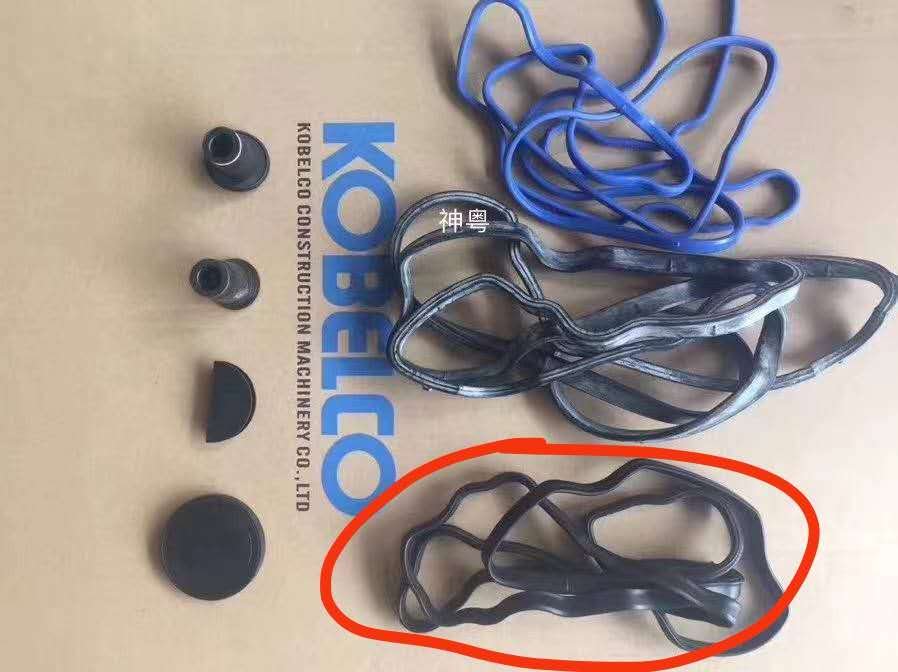
The rocker cover gasket comes off first and goes back new - a set gasket re-clamped will weep at the corners. Our records list the rocker cover gasket VHS112132020 and VA32G0400200 across the engine families, so the gasket is confirmed by engine number alongside the machine serial. With the cover off, the rocker train is in view: the rocker arm assemblies, their shaft and the brackets that hold the shaft, and the locks and seats that hold the valve spring in position.
What wears in the rocker train
Three wear points matter to the adjustment. The rocker's contact faces and its bushing wear with hours, and a worn rocker changes clearance from one check to the next - which is why a reading that keeps drifting points at the rocker, not at the setting. Our records list the J05 rocker arm assembly VHS1380E0191, the rocker shaft VH13800E0040 and the engine valve rocker bracket VHS139512221 as separate lines, because a rebuild replaces only what has worn. The valve lock VA3440402901 and the valve spring seat VA3060431601 are the small hardware that must be re-fitted correctly when anything in the train is disturbed, and they are cheap insurance against a dropped lock. Guides and seats sit below the train: the inlet valve guides VHS111221220J and VA3430102200, the exhaust valve guide VA3430102300 and the exhaust valve seat VA3430101600 are the lines quoted when a head job and a clearance check happen together.
The tools and the setup that get clean readings
A clean reading needs a cold engine at top dead center on the correct cylinder, and that is where shortcuts corrupt the numbers. Turn the engine by hand in its rotation direction only, set the timing marks exactly, and confirm the cylinder on the timing plate before the gauge goes in. The feeler gauge itself should be the flat type in good condition - a folded or worn blade reads thin by a couple of hundredths and returns a false pass. Where the machine works in dusty conditions, blow the stem packings and the cover seat clean before opening, because the grit that falls into the head during the job costs more than the adjustment ever saves.
Adjust, then read the engine again
After adjustment, the engine tells you whether the numbers were right: cold starts firm up, the tick settles to a steady even note, and exhaust temperature behavior normalizes over the following days. If nothing changes, the drift suspect returns - worn rockers or guides - and the wear photographs decide which line gets ordered. Shenyue is an independent supplier and is not an authorized dealer of Kobelco Construction Machinery Co., Ltd.; these Hino-family lines are supplied through original supply channels and quality replacement grades, with 3,000+ part types on the shelf and 100,000+ part numbers available to order.
A clearance check pairs naturally with the annual electrical and alarm checklist in our D04EG annual service guide, and the fuel-side check order lives in the bog-down diagnosis guide. Send the machine model and engine number with photographs of any worn rocker hardware, and Guangzhou Shenyue Machinery Technology Co., Ltd. confirms each part in writing before quoting.
Frequently Asked Questions
How often should valve clearance be checked on an SK-series machine?
On the engine's hour-based schedule, and immediately after any top-end work - head repairs, gasket replacement or injector work that disturbs the train. Between scheduled checks, the symptoms that bring it forward are harder cold starts, an uneven tappet tick and gradual power loss that filters and fuel-side checks cannot explain. The check itself is a cold-engine feeler gauge job, cylinder by cylinder.
Why does the clearance reading keep changing between checks?
A drifting reading points at wear in the train rather than at the setting: worn rocker faces or bushings, a slack guide, or hardware that was not re-fitted correctly the last time the cover was off. Compare the readings against each other across cylinders first - one drifting cylinder localizes the fault, while all cylinders drifting together points at setting procedure or seat wear.
Which parts are replaced during a valve clearance job?
At minimum, the rocker cover gasket every time the cover is removed. Beyond that, replacement follows the wear photographs: rocker arm assemblies, shaft, brackets, valve locks and spring seats are all separate lines in our records, so only what is worn is bought. Send the engine number with the machine serial - the same clearance job spans different guide and seat numbers across Hino engine families.