An XD badge on a Kobelco is not a trim level. It marks a machine built for a different job: reaching out over a pile with a long front, running a breaker or a shear all day, and standing on ground that has already been dug up. On a 55-tonne machine that changes what the parts around the structure and the hydraulics have to survive. Guangzhou Shenyue Machinery Technology Co., Ltd. supplies this class regularly, so here is what the XD specification really moves in the parts list.
What the SK550XD is
The SK550XD sits in the 55-tonne class and is the machine Kobelco builds for demolition and material-handling work rather than for bulk earthmoving. Our own model page for the SK550XD describes it in exactly those terms — a material-handler and demolition-class machine with reinforced undercarriage, reinforced hydraulics and reinforced structure parts available through our sourcing network.
That sentence contains the whole parts story. A standard excavator is specified around a bucket cycle; an XD machine is specified around a reach cycle, a rotating attachment and an operator working at the top of a pile. The duty is longer, the loads are more lateral, and the machine is asked to do all of it with a tool that hammers rather than scoops.
Where the badge moves the parts list
| Area | Standard large excavator | SK550XD duty |
|---|---|---|
| Undercarriage | Standard chains, rollers and idlers | Reinforced track components, with guarding against falling debris |
| Structure | Bucket-cycle boom, arm and cylinders | Reinforced structure and cylinder parts for reach and shear work |
| Hydraulics | Continuous duty, moderate peak pressure | Higher oil temperature from breaker and shear circuits, tighter filtration |
| Attachment circuit | Bucket and thumb | Breaker, shear and grapple circuits with their own protection |
Two consequences matter to a buyer. First, the consumables come round faster, because a machine running a breaker all day heats its oil harder and loads its filtration harder. Second, the parts that fail are different ones. On an XD machine, oil that has run too hot does far more damage than oil that has run too long.
Numbers our records quote for the large class
| Item | Number quoted in our records |
|---|---|
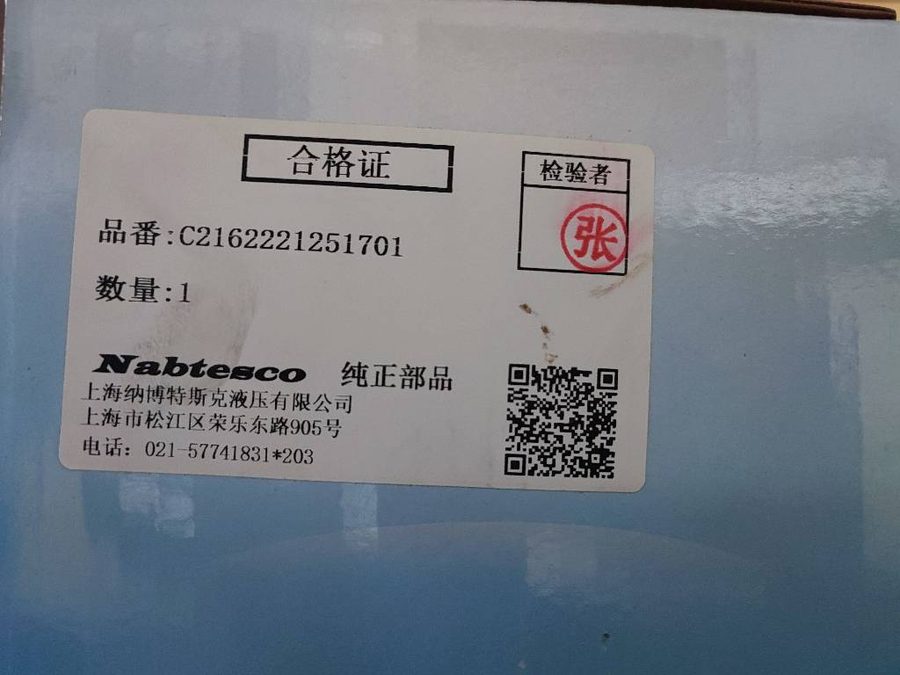
| Travel motor cylinder block | C2162221251701 / LC15V00023S040 |
| Swing motor, M5X180 class | LC15V00022F1 / M5X180 |
| Hydraulic pipe filter | LS50V01001S001 |
| Hydraulic return filter | LS52V01006R210 / LS52V01006R200 |
| Hydraulic oil temperature sensor | LS52S00046P1 |
| Breather filter | YN57V00014S003 |
Two of those lines tell you how the class is built. The LS50 and LS52 prefixes sit on the filtration and sensing side of the big machines. The LC15 swing motor is the M5X180-level unit used from the 30-tonne class upward, not the M5X130 that turns a 20-tonne machine. Read across a quotation for a 55-tonne machine and the prefixes alone tell you whether the supplier has understood which class he is pricing.
Oil temperature is the limiting factor
Breaker and shear work converts energy into heat inside the hydraulic oil, and a machine sitting at the top of a demolition pile has less airflow across its coolers than one digging at ground level. That is why the sensor and filter lines above matter more here than the headline components. A machine that runs its oil consistently hot will harden seals, shorten pump life and show slow swing and slow travel long before anything fails outright. Check the oil temperature reading against a thermometer before believing a pressure fault, and change the return filter on hours rather than on the service sticker.
Working conditions and circuit protection
An XD machine is nearly always carrying an attachment, and if that attachment is a breaker or a shear the circuit between pump and tool has to be protected: relief settings, return-line filtration and cooler capacity that match the tool. The wear pattern on the machine then follows the attachment rather than the digging. Our guide to demolition and scrap handling covers the working conditions, and the components themselves sit in the hydraulic components range.
Ordering for an SK550XD
Start from the machine serial, not from the badge, because XD machines are often built to order with a front and a counterweight that differ from the standard catalogue. Then read the number off the component that has failed: the swing motor plate for a swing complaint, the travel motor plate for a travel complaint, the sensor body for an electrical one. Manufacturer product information for this class is published by Kobelco Construction Machinery, and anything unresolved is quickest answered with plate photographs sent through contact.
Frequently Asked Questions
Is the SK550XD just a bigger standard excavator?
No. Kobelco builds it as a material-handler and demolition-class machine, with reinforced undercarriage, hydraulics and structure parts rather than a bucket-cycle specification. That changes which parts wear out first, and it means the consumables are replaced on hours of attachment work rather than on the schedule of a digging machine.
Which parts should I keep for a 55-tonne demolition machine?
Hydraulic filtration and the sensors around oil temperature come first, because breaker and shear duty heats the oil harder. Our records quote the hydraulic pipe filter as LS50V01001S001, the return filter as LS52V01006R210 / LS52V01006R200, the oil temperature sensor as LS52S00046P1 and the breather filter as YN57V00014S003.
How do I know if a quotation is for the right machine class?
Read the prefixes. On this class LS30, LS50 and LS52 mark the platform filtration and sensing side, and the swing motor is the M5X180-level LC15V00022F1 unit rather than the M5X130 used around 20 tonnes. A quotation carrying small-machine prefixes for a 55-tonne machine has not been checked properly.
Can Shenyue supply parts for XD machines outside China?
Yes. Guangzhou Shenyue Machinery Technology Co., Ltd. has supplied Kobelco parts since 2007 from Guangzhou, holds 3,000+ part types on the shelf and has 100,000+ part numbers available to order through original supply channels. Send the serial, the component photo and the attachment you run, and the quotation will declare every line genuine, OEM or aftermarket.