When an excavator burns, the report usually says electrical fault. The photographs usually show something else: a fuel line rubbed through against a bracket, a heat shield left off after a turbo repair, or a layer of oil-soaked dust sitting on an exhaust manifold. Guangzhou Shenyue Machinery Technology Co., Ltd. sells the parts that prevent all three, and they are among the cheapest items on any engine order — which is exactly why they get skipped.
Four ignition sources, four preventable failures
An engine bay fire needs heat, fuel and air. The machine supplies heat continuously; the other two arrive through neglect. The four patterns we see described most often are a pressurised fuel or oil line chafing against a bracket or a frame edge, a missing or cracked heat shield allowing radiant heat onto a hose or harness, oil and dust accumulating on a hot manifold or turbo housing, and a battery or starter cable with damaged insulation arcing against the frame.
| Source | What fails first | Part that prevents it |
|---|---|---|
| Fuel or leak-off line chafe | Outer layer, then the reinforcement | Correct-length hose, clamps and saddles, routing clips |
| Radiant heat from turbo or manifold | Hose and harness insulation hardens and cracks | Heat shield panel, reflective sleeve, stand-off bracket |
| Oil-soaked dust on hot surfaces | Nothing — it simply cooks until it ignites | Repaired leak source plus a clean bay |
| Battery or starter cable damage | Insulation, then the conductor | Cable, terminal, fusible link, correct clamp |
Chafe is a routing problem, not a hose problem
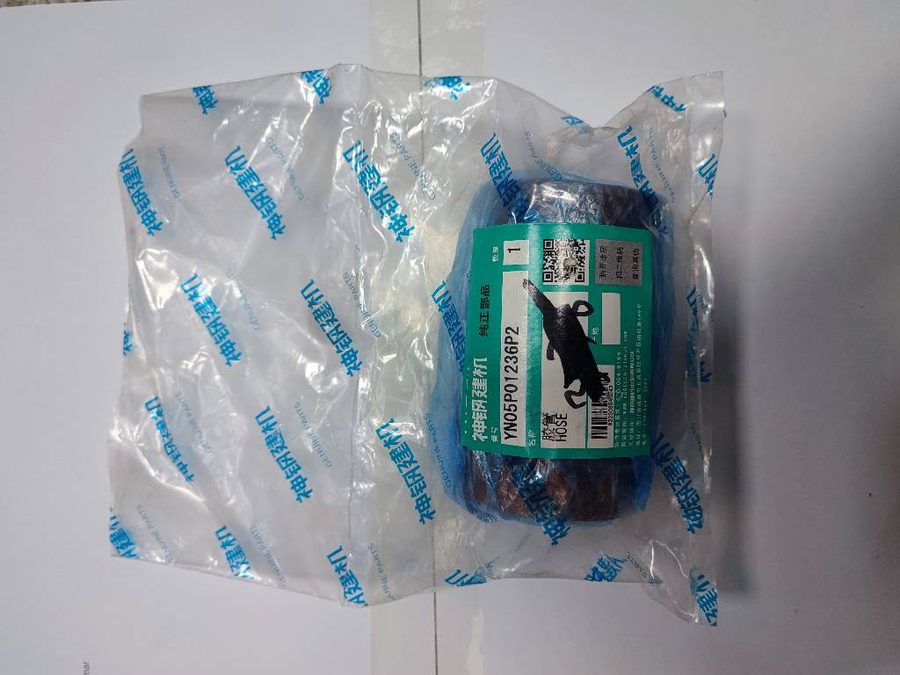
A replacement hose that is fitted without its original clips, saddles or stand-off will rub through in the same place as the one it replaced. The tell is a polished witness mark on a bracket, a frame edge or another hose. When you replace an engine hose, look for that mark and restore whatever held the hose away from it. If the bracket is missing, the hose is the wrong fix. On our shelf, YN05P01236P2 is a typical engine-bay hose number; the routing hardware around it matters as much as the hose.
Heat shields are structural, not cosmetic
A heat shield is a specified clearance, not decoration. Remove it for a turbo or manifold job and the hose behind it starts cooking at the next load. Cracked shields are common after years of vibration, and a cracked shield radiates almost as badly as a missing one. When a shield is beyond repair, replace it rather than wrapping the hose in tape: tape holds heat in and hides the problem until the hose bursts.
Insulation sleeves have the same rule. A sleeve that has hardened and gone brittle no longer reflects heat, and it traps oil against the hose. If the sleeve crumbles when you squeeze it, it has already failed.
Fix the leak, then clean the bay. Guangzhou Shenyue Machinery Technology Co., Ltd. supplies engine hoses, shields and fasteners, but no part prevents a fire while oil is still dripping onto a hot surface. Quote the leak source first: a turbo oil feed, a leak-off line, a rocker cover gasket. Then clean, then replace the heat protection that the leak destroyed.
What to inspect, in order
Start cold. Look at the exhaust manifold and turbo housing for oil staining and for dust that has baked into a crust. Follow every fuel and leak-off line from the filter head to the injectors, checking for polished spots where the line touches anything. Squeeze the insulation sleeves; replace the ones that crack. Check the battery cable and the starter cable from the terminal to the first clamp, looking for rubbed insulation and green corrosion under the lug. Then look at the shields: missing, cracked, or held on by one bolt.
After any welding, turbo or manifold work, treat the routing as part of the job. A machine that leaves the workshop with the shields refitted and the hoses clipped is a machine that will not come back as an insurance claim.
Parts that belong in a fire-risk kit
A practical kit for a working machine is small: the engine-bay hoses that run near hot surfaces, a set of clamps and saddles, the heat shield panels for the manifold and turbo area, reflective sleeve by the metre, and battery and starter cable ends. Our records also cover the surrounding hardware — for example the exhaust-side numbers on the engine parts page and the hose and fitting logic in the hose part number guide. The muffler and manifold guide covers the hot side in more detail.
HINO publishes general engine safety and maintenance guidance for the J05E and J08E families at hino-global.com, which is a useful reference for hot-surface clearances. If you are rebuilding a bay and want the whole list quoted at once, send the engine serial and photographs and we will price the hoses, shields and hardware together.
Frequently Asked Questions
Where do excavator engine fires usually start?
Most start where a pressurised fuel or oil line has chafed against a bracket or frame edge, or where a missing heat shield lets radiant heat reach a hose or harness. Oil-soaked dust on a hot manifold is the third common path. All three are visible on a cold inspection.
Can I replace a heat shield with heat wrap or tape?
No. Wrap holds heat against the hose and hides damage until it fails, and it does not restore the clearance the shield provided. Replace cracked or missing shields with the correct panel, and replace hardened reflective sleeves rather than taping over them.
My new hose failed in the same place as the old one. Why?
Because the routing hardware was not restored. Missing clips, saddles or stand-off brackets let the hose rub on the same bracket or frame edge. Look for a polished witness mark at the failure point and refit whatever held the hose away from it.
What should a fire-risk parts kit for a Kobelco contain?
The engine-bay hoses that pass near hot surfaces, a set of clamps and saddles, the manifold and turbo heat shield panels, reflective sleeve, and battery and starter cable ends. Guangzhou Shenyue Machinery Technology Co., Ltd. quotes these together when you send the engine serial and photographs.