Buyers often receive two quotations for the same part number that differ by thirty per cent, and assume someone is wrong or someone is gouging. Usually neither is true: the quotes differ because they describe different things. Learning to read what a quotation actually promises is the highest-value skill in parts purchasing, and it is more useful than any single negotiation. Guangzhou Shenyue Machinery Technology Co., Ltd. quotes hundreds of enquiries a week, and this is the difference map we hand buyers who want to compare properly.
Difference one: the grade behind the number
The same part number can be supplied as genuine, OEM-equivalent or aftermarket, and the price ladder follows. A K3V112DT pump quote, for instance, changes completely depending on whether it covers a genuine assembly, an OEM-built unit or a serviceable core-based solution. A quotation that does not state the grade is not a quotation — it is a guess. Ask every supplier to print the grade per line, then compare like with like. Our grades guide explains what each level promises; the honest version is that all three have a place, but only when the buyer knows which one is being bought.
Difference two and three: batch and scope
Two genuine units with the same part number can differ in production batch and supplier revision — our batch variation guide shows how one number arrives in different boxes. And a price that looks higher may include what the cheaper quote leaves out: packaging, gaskets and seals sold separately elsewhere, freight terms or photographs of the actual part before dispatch. Read what each quote includes as carefully as the price column, because the cheapest quote often becomes the expensive one at the border or in the fitting bay.
Difference four and five: lead time and order size
Stock availability splits quotes immediately. A supplier holding the part ships in days; one ordering it in quotes weeks and a lower price to compensate. Order size moves price the same way — a single pump versus a pump ordered with the seals, filters and hoses for the same service visit will price differently per line. Neither is dishonest; both change the total cost of getting the machine running, which is the number that actually matters.
Difference six: terms and the total landed cost
Payment terms, currency, validity period and freight basis all move the real number. A quote valid for seven days is a different commercial object from one valid for thirty, and an ex-works price is not comparable with a delivered price without arithmetic. For cross-border purchases, add duties and clearance to every quote before comparing, and normalise everything to the same incoterms basis. Kobelco publishes authorised-channel guidance at kobelco.co.jp worth reading for what the genuine channel promises.
What to send with the enquiry
The comparison habit starts with a complete enquiry. Send the part number as stamped or photographed from the old part, the machine model and serial number, the engine nameplate where the part is engine-driven, the quantity, and the destination port. Then ask each supplier three questions: which grade is quoted, what the lead time is from confirmed order, and what the quote includes in packing and documentation. Guangzhou Shenyue Machinery Technology Co., Ltd. answers those three questions on the first quotation rather than after follow-up, which is how buyers should expect every supplier to behave before the first order is placed.
How we structure quotations
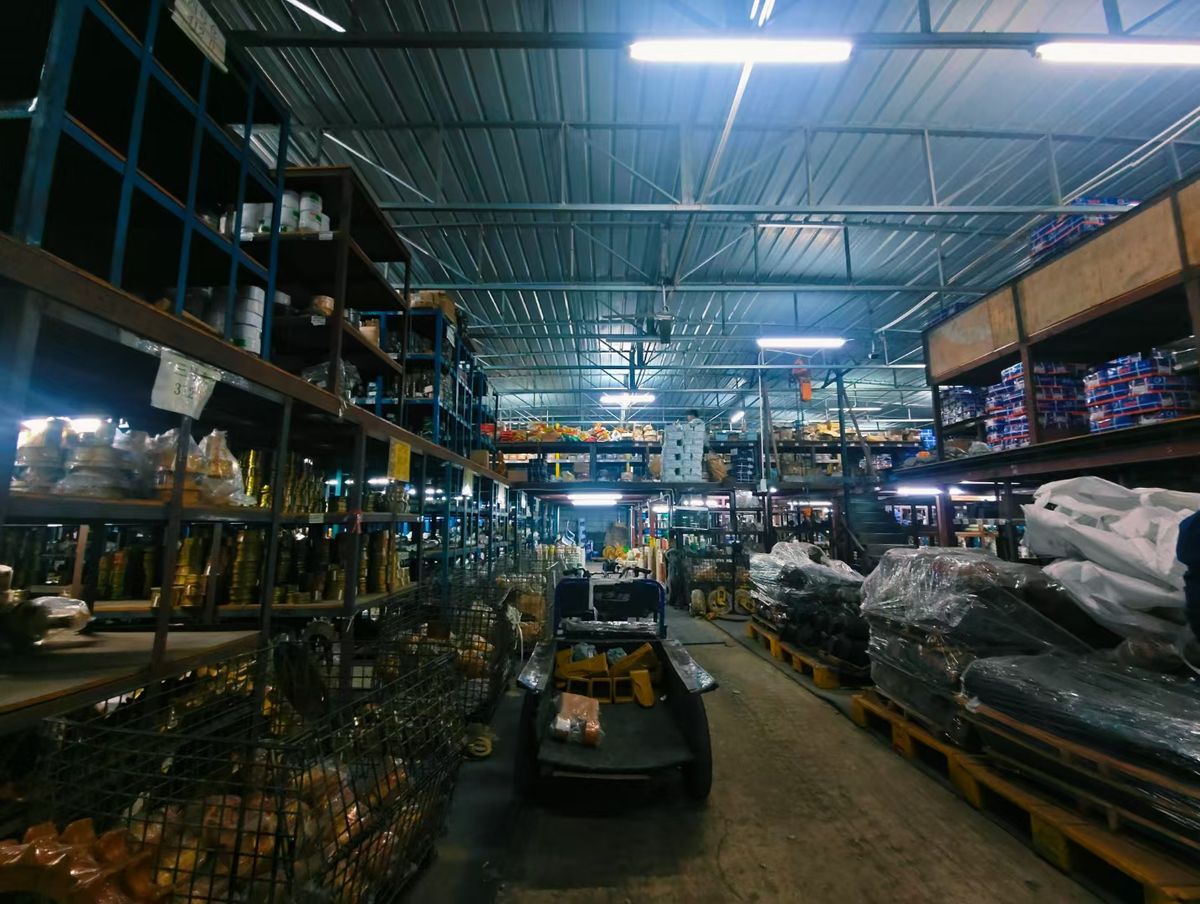
Guangzhou Shenyue Machinery Technology Co., Ltd. states the grade, the condition, the lead time and the packing scope on every line, photographs the actual parts before dispatch, and prices from a stock programme of more than 3,000 part types on the shelf and over 100,000 part numbers available to order — with single-unit orders welcome at wholesale terms, as our single-unit guide explains. Buyers comparing our quotes against others are welcome to send both side by side; we will point out any field where the comparison is not apples to apples. For multi-brand fleets, our colleagues at corbayparts.com quote the same difference map across brands beyond Kobelco.
Frequently Asked Questions
Why do two suppliers quote different prices for the same part number?
Usually grade, batch, scope, lead time, order size or terms. Guangzhou Shenyue Machinery Technology Co., Ltd. recommends comparing six fields per line — number, grade, revision, inclusions, lead time and landed cost — before judging any price expensive.
How do I know if a quote is for genuine or aftermarket parts?
Ask the supplier to state the grade on each quotation line. Guangzhou Shenyue Machinery Technology Co., Ltd. prints genuine, OEM or aftermarket on every line and photographs the actual parts before dispatch, so the comparison is documented.
Is a lower quote always the better deal?
No. Quotes that omit packaging, seals, freight or photographs often cost more in total. Normalise every quote to the same incoterms basis and add duties and clearance, then compare the total landed cost per working machine.
Can I order just one part at wholesale pricing?
Yes. Guangzhou Shenyue Machinery Technology Co., Ltd. accepts single-unit orders within a programme of more than 3,000 part types on the shelf and over 100,000 part numbers available to order, with the grade and lead time stated on the quotation.