A hydraulic complaint arrives as a sentence: it is slow, it is weak, it drifts. A sentence is not a diagnosis, and the fastest way to convert one into the other is a gauge on a test port. Guangzhou Shenyue Machinery Technology Co., Ltd. sells the pumps, valves and sensors that get replaced when nobody measured, and the same four readings settle most of the cases we are asked about.
Where the ports are
Kobelco machines carry test ports on the main control valve and around the pump, usually as small threaded bosses with a cap, grouped so a technician can reach them from one side. Each port serves one circuit: pump delivery, main relief, pilot pressure, swing, travel, and on many builds a case drain connection at the pump or motor. The cap is not decorative; it keeps dirt out of a precision passage, and a missing cap is a slow failure waiting to happen. Port positions and thread sizes differ between generations, so the service manual for the serial, not a photograph from another machine, is the authority.
The gauge and the adapter matter
Use a gauge whose range is roughly one and a half times the pressure you expect. A 600 bar gauge reading a 40 bar pilot circuit is unreadable, and a 60 bar gauge on a main relief circuit is destroyed on the first pull. Bring the right adapter for the port thread, and use a hose rated above the system pressure rather than a length of return hose. A glycerine-filled gauge survives vibration better and is worth the difference on a machine that is running.
The four readings that settle a diagnosis
| Reading | Condition | What it eliminates |
|---|---|---|
| Standby pressure | Engine at rated speed, levers neutral, oil at working temperature | Pump destroking, negative control, standby setting |
| Main relief pressure | Function stalled against relief, one circuit at a time | Relief valve leakage, pump delivery ceiling |
| Pilot pressure | Lever at full stroke, at the pilot valve outlet | Pilot pump, filter restriction, spool stroke |
| Case drain flow | Component at operating temperature, drain line open to a measuring vessel | Internal wear in pump or motor |
Take them hot. Cold oil is thick, pressures read high, and a machine that has run for two minutes has not told you anything about how it behaves after an hour.
Sequence, and why order matters
Start at standby. If standby is wrong, everything downstream is being measured on a pump that is not behaving. Then main relief on the circuit that is complained about, then the same reading on a circuit that works, because the comparison is the diagnosis. Then pilot pressure at the function, then case drain if the pump or motor is suspected. Only when those four agree should a valve come apart.
Safety, briefly and seriously
Hydraulic oil at system pressure will penetrate skin through a pinhole and cause a surgical injury. Never search for a leak with a hand; use cardboard. Never crack a connection to check for flow while the circuit is pressurised. Depressurise before fitting a gauge, keep the hose clear of hot parts and rotating components, and do not stand in line with a gauge that is connected to a circuit someone else can operate.
When the reading is right and the machine is still slow
Pressure and flow are different quantities. A pump can hold full relief pressure and still deliver little flow, which shows up as a function that is strong but slow. That is the point at which a flow test, not another pressure test, is needed. The work mode and pump flow guide explains how mode selection changes delivery, and the relief valve guide covers what a leaking relief does to every reading downstream.
Instrumentation versus a gauge
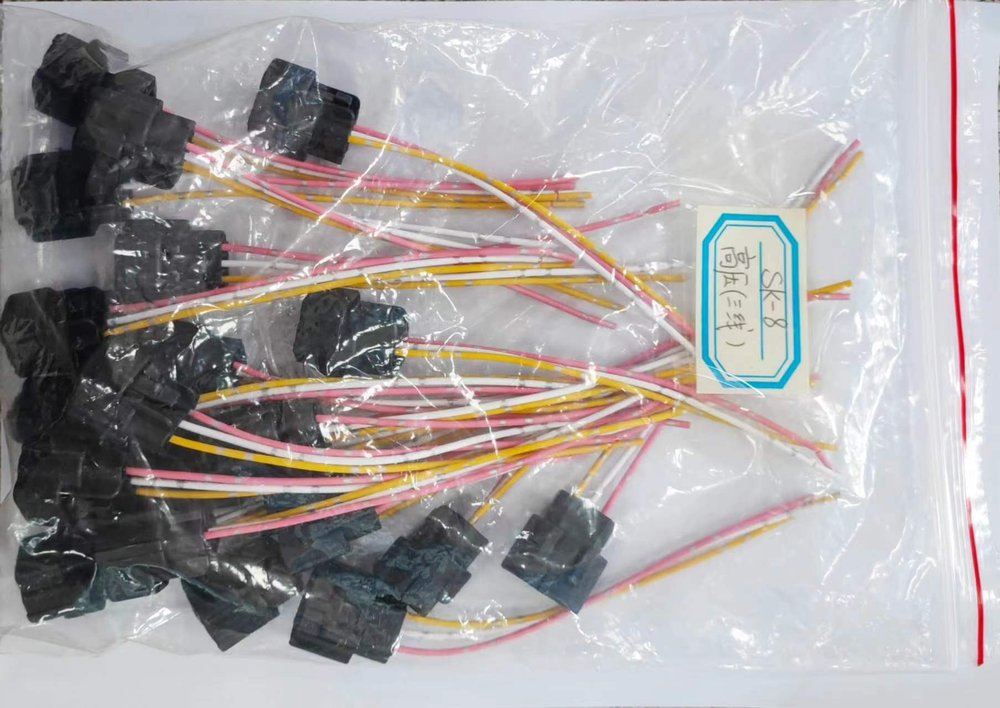
The monitor reports what the sensors see, and the sensors are the parts most likely to be wrong. A high pressure sensor such as LS52S00015P1, YN52S00103P1 or LC52S00012P1 that drifts will make a healthy circuit look faulty, and a low pressure sensor LC52S00019P1 / YW52S00002P1 / LC52S00011P1 that fails will blank a reading entirely. Compare the monitor against a gauge at the port before replacing either. Hydraulic oil temperature sensor LS52S00046P1 is the other common offender, because a wrong temperature reading changes how the controller trims the pump.
The hydraulic components range covers pumps, valves and sensors. Send the four readings, the oil temperature and the model and serial through the contact page; Guangzhou Shenyue Machinery Technology Co., Ltd. holds three thousand part types on the shelf and over one hundred thousand part numbers available to order. Test procedures and pressure specifications for each model are published by the manufacturer at kobelco.co.jp.
Guangzhou Shenyue Machinery Technology Co., Ltd. is an independent supplier of Kobelco parts, not affiliated with Kobelco Construction Machinery Co., Ltd. Genuine parts are supplied through original channels alongside quality OEM and aftermarket alternatives at distributor-level prices.
Frequently Asked Questions
Which pressure should I check first on a slow Kobelco?
Standby pressure with the levers neutral and the oil hot, then main relief on the affected circuit and on a circuit that works. If standby is wrong, every other reading is being taken on a pump that is not behaving. Guangzhou Shenyue Machinery Technology Co., Ltd. asks for those figures before quoting a pump.
Can I use any gauge on a hydraulic test port?
No. Match the range to the circuit, roughly one and a half times the expected pressure, and use the correct thread adapter and a hose rated above system pressure. A gauge that is too small is destroyed on the first relief pull; one that is too large cannot be read.
Why does the machine feel strong but slow?
Pressure and flow are separate. If relief pressure is correct but the function is slow, the pump is delivering less flow than it should, or a valve is restricting it. That needs a flow test.
The monitor shows a fault but the gauge reads normal. Which is wrong?
Usually the sensor. High pressure sensors LS52S00015P1, YN52S00103P1 and LC52S00012P1, low pressure sensors LC52S00019P1 / YW52S00002P1 / LC52S00011P1 and oil temperature sensor LS52S00046P1 all drift with age. Compare the monitor against a gauge before replacing anything.