Pipeline and utility trenching is the long-distance end of excavation. A Kobelco on a right-of-way digs the ditch, trims the bed, backfills around coated pipe and cleans up, and between each of those tasks it walks along the trench for kilometers. The machine is rarely at maximum load and rarely stops moving, and that combination produces a parts bill that looks nothing like a quarry machine's: distance wear on the undercarriage, dust in every filter, and swing-cycle counts that outrun a digging machine's by multiples. Guangzhou Shenyue Machinery Technology Co., Ltd. supplies pipeline contractors, and this is the parts logic we build their kits around.
Bucket choice along the trench
A ditching bucket is wider and shallower than a digging bucket, with the width chosen against the pipe diameter plus working room, not against the machine. Too wide and the machine cannot hold the grade line it dug; too narrow and the crew hand-trims the bed. For the backfill around coated pipe, a padding bucket with a smooth profile does the job a standard bucket cannot: it returns soil to the trench without stones landing on the coating, because coating damage is found at pressure testing, when it is expensive.
Keep a digging bucket on site for rock sections and a grading edge for the bed. The tooth pattern on the ditching bucket is fine until the trench meets rock, and worn teeth leave a ragged bed that the bedding crew has to fix by hand.
Undercarriage: the biggest line on the bill
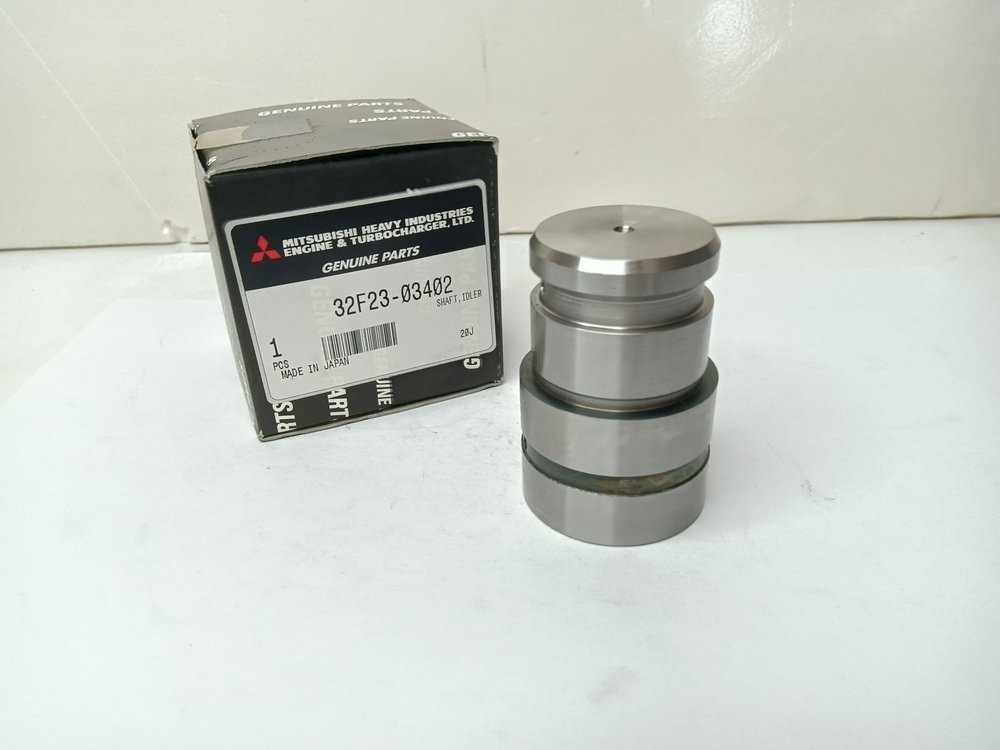
Nothing else on a pipeline machine costs what the undercarriage costs, because nothing else accumulates kilometers. Check track tension daily on the spoil side, since tension set in the morning mud is wrong by afternoon on dry ground, and clean the links at shift end while the material is still loose. Rock spoil is the accelerant: it wedges into links, cuts grousers and eats sprocket teeth. Measure at every service rather than reacting to slack, and quote rollers from the number on the casting: an idler shaft such as VA32F2303402 is ordered by its own number, not by the model name.
The measurement routine in the track chain measurement guide is the one to follow, taken at three places around the loop, because a single reading on the tightest span flatters a worn chain.
Dust, filters and a machine that never idles
A right-of-way in dry season is a dust corridor, and the machine breathes it all shift. The air filter that lasts a full interval in general service may not last a week on pipeline dust: check it daily, carry a spare on the support truck, and resist washing an element that belongs in the bin. The YN11P00034R100 filter set is one of the lines we ship most for this work, and the intake servicing guide covers the restriction indicator side.
Fuel is the second consumable that decides the day. Long trench pushes far from the fuel point invite dusty jerricans and half-clogged fuel filters; stage filters with the machines, not back at the yard.
Hoses and cylinders at trench pace
Backfilling and bedding are swing-cycle work, hundreds per shift, and the hoses at the boom foot flex every one of them. Inspect the runs weekly for chafe at the clamps, and replace on condition: a hose that bursts on a finished trench puts steel-laden backfill where the coating protection was. The families we hold for this work are the YN52V01016R620 / R610 / R100 group, YN52S00023P1 / YN52S00012P1 and YY52V01006P1, quoted with end fittings and measured length, each marked genuine, OEM or aftermarket.
Working along the trench
Two rules keep the parts bill from growing legs. Never let the machine dig or travel over the open trench it has just cut, because a tracked machine in its own trench bends things that are not designed to bend. And keep the spoil pile set back from the edge, so the weight of the pile does not shear the trench wall under the machine. Both rules are cheaper than any part in this article.
What to send for a quote
Send the machine model and serial, the bucket widths and tooth pattern you run, and the undercarriage measurements from the last service. We supply from three thousand part types on the shelf with over one hundred thousand part numbers available to order through original supply channels. Buckets and undercarriage lines sit in the undercarriage and cylinders range, quotes start at the contact page, and model-level specifications are published by the manufacturer at kobelco.co.jp.
Guangzhou Shenyue Machinery Technology Co., Ltd. is an independent supplier of Kobelco parts, not affiliated with Kobelco Construction Machinery Co., Ltd. Genuine parts are supplied through original channels alongside quality OEM and aftermarket alternatives at distributor-level prices.
Frequently Asked Questions
What bucket should a Kobelco use for pipeline trenching?
A ditching bucket sized to the pipe diameter plus working room, not to the machine, and a padding bucket with a smooth profile for backfilling around coated pipe, because stones landing on the coating turn into pressure-test failures. Keep a digging bucket on site for rock sections.
Why does pipeline work wear the undercarriage so quickly?
Distance. The machine walks kilometers along the trench line between digging, bedding and backfilling, and rock spoil accelerates every wear surface it touches. Daily tension checks on the current ground, shift-end cleaning and measurement at every service are what keep the bill predictable.
How often does the air filter need changing on right-of-way dust?
Check it daily and be led by the restriction indicator rather than the calendar, because dry-season dust loads an element far faster than general construction service. Carry a spare on the support truck, and replace rather than wash an element that is past its limit.
Can you kit out a pipeline crew's Kobelco machines in one order?
Yes. Guangzhou Shenyue Machinery Technology Co., Ltd. builds kits around the machine serial: filters, hose families, pins and bushings and undercarriage lines, with over one hundred thousand further part numbers available to order and every line marked genuine, OEM or aftermarket.