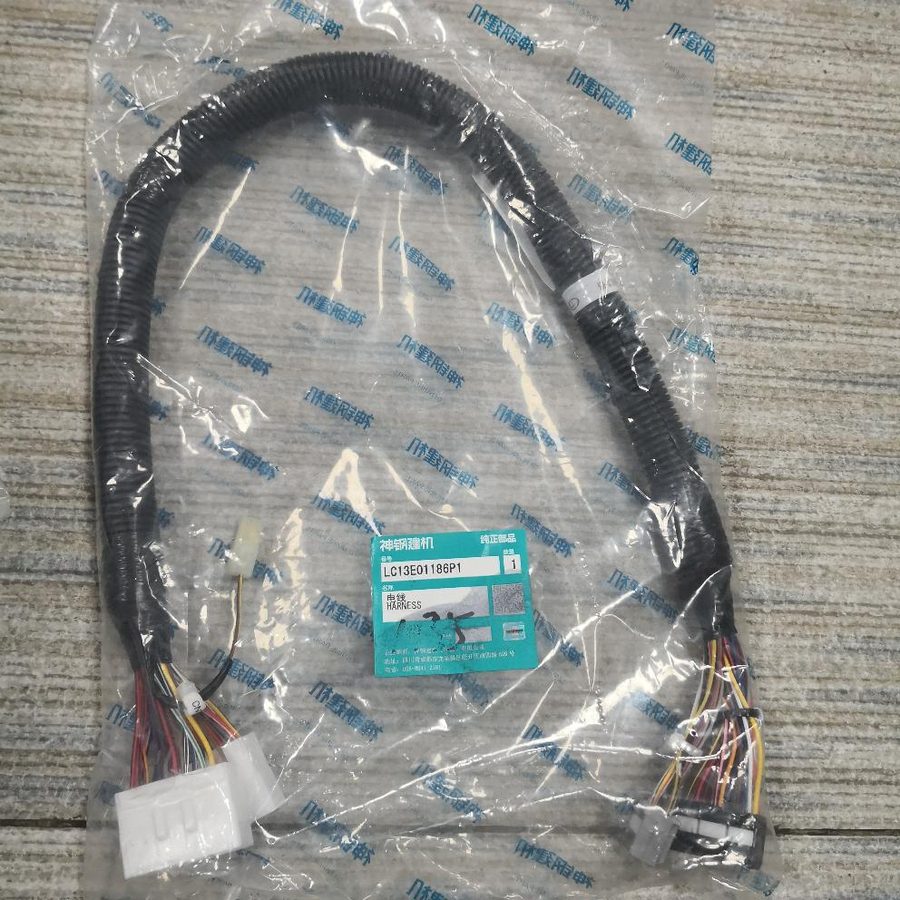
An excavator that has stood for six weeks on a site or in a yard rarely fails because of its hydraulics. It fails because of what moved in while it was standing. Rats, mice and squirrels treat a parked Kobelco as shelter, and in warmer regions wasps and birds do the same. The wiring loom, the air cleaner and the cab insulation are the first things they take. Guangzhou Shenyue Machinery Technology Co., Ltd. sees this pattern constantly in machines prepared for export, and almost all of it is preventable.
Why a parked machine attracts pests
An engine bay stays warm for hours after shutdown, and a cab holds heat overnight. That is enough. Add a site canteen, spilled grain, or a bag of fertiliser left in the toolbox, and the machine becomes a food source as well as a shelter. Insulation foam, seat padding and loom tape are ideal nesting material because they are soft, dry and already cut to length.
Frame rails and boom hoses make convenient runways, which is why damage clusters along the same routes year after year.
What gets chewed first, in order
Injector harness first, because it sits under a warm cover with easy access. Then the main engine harness and the sensor leads around it. Then the chassis and cab cable where it passes through a frame grommet. After that, coolant and breather hoses, the air cleaner element, and finally the cab lining and seat foam.
| Symptom | Most likely damage | First check |
|---|---|---|
| Random fuse blows, no repeatable pattern | Chassis or cab cable chafed through at a grommet | Loom inside the frame rail and behind the cab panel |
| Crank but no start, or one cylinder dead | Injector harness leads cut at the valve cover | Injector sub-harness, VH82051E0050 / VH820306450A family |
| Gauge flicker, codes that move around | Sensor lead or earth strap severed | Main engine harness VH82121E0301 and its earth points |
| Black smoke, low power, dusty intake | Nest built inside the air cleaner housing | Element and the housing floor beneath it |
| Sudden coolant loss with no external leak | Chewed coolant or breather hose | Hoses behind the engine and along the frame |
Reading the symptoms
Rodent damage behaves like an electrical fault that moves. One day the machine will not start, the next day it does, and a code that appeared yesterday is gone today. Fuses blow without a load fault. Gauges flicker when the machine crosses rough ground. If a fault changes character between shifts, stop looking at the component and look at the loom.
Physical evidence settles it: droppings in the battery box, nesting material on the valve cover, or a clean angled cut across a wire.
Repair: splice or replace
If the damage is in a straight run and only one or two wires are cut, a soldered splice with adhesive-lined heat-shrink is a durable repair. Do not use a twist-and-tape joint in an engine bay. Match the wire gauge, keep the splice short, and stagger the joints so the loom does not bulge. If damage sits at a connector, or in more than three places on one run, replace the harness; chasing a repaired loom is how a machine ends up back in the workshop twice.
The injector harness on J05E and J08E engines is a separate sub-harness, and replacing it is usually faster and cheaper than repairing six cut leads. We quote it by engine model and serial, because the same engine family changed connector styles between builds.
Stopping it before it starts
Park on hard standing away from hedges, waste piles and long grass. Empty the cab of food, seed and fertiliser at the end of every shift, and keep the hood and door closed. Seal cable entries and any gap in the cab floor with a closed-cell gasket rather than foam, because foam is food. Run the machine for thirty minutes every two weeks and move it.
For long storage, mesh screens over the engine bay openings work better than repellents. Check the air cleaner monthly and inspect the loom at every service, especially the section behind the cab and the run above the fuel tank.
What we hold for the repair
Harnesses, sub-harnesses, hoses and air cleaner elements are regular stock lines: three thousand part types on the shelf and over one hundred thousand part numbers available to order through original supply channels, each item marked genuine, OEM or aftermarket. Send the machine model, serial and a photograph of the damaged section through the contact page, or start from the engine parts range. The wiring harness and fuse guide covers connector and fuse identification, and the intake servicing guide covers the air cleaner side.
Guangzhou Shenyue Machinery Technology Co., Ltd. is an independent supplier of Kobelco parts, not affiliated with Kobelco Construction Machinery Co., Ltd. We supply genuine parts through original channels alongside quality OEM and aftermarket alternatives at distributor-level prices. Model-level service data is published by the manufacturer at kobelco.co.jp.
Frequently Asked Questions
How do I tell rodent damage from a normal electrical fault?
The fault moves. Codes appear and disappear, fuses blow without a load fault, and the symptom changes between shifts. Droppings in the battery box, nesting fibre on the valve cover or a clean angled cut across a wire confirms it.
Can a chewed harness be repaired instead of replaced?
Yes, if the damage is a straight run with one or two wires cut. Solder the joint, cover it with adhesive-lined heat-shrink, and stagger the splices. Replace the harness when damage sits at a connector or appears in more than three places on one run, because a repaired loom keeps failing in service.
Which harness fails most often on a parked Kobelco?
The injector sub-harness under the valve cover, normally quoted as the VH82051E0050 or VH820306450A family, because it is warm, accessible and easy to grip. The main engine harness VH82121E0301 and the chassis cable LC13E01186P1 come next. Always confirm the connector variant against the serial number.
What is the cheapest way to stop rodents damaging a machine?
Park on open hard standing, remove all food and seed from the cab, close the hood and door, and seal cable entries with closed-cell gasket rather than foam. Run the machine for thirty minutes every two weeks. Mesh screens over the engine bay openings are more effective than repellents.