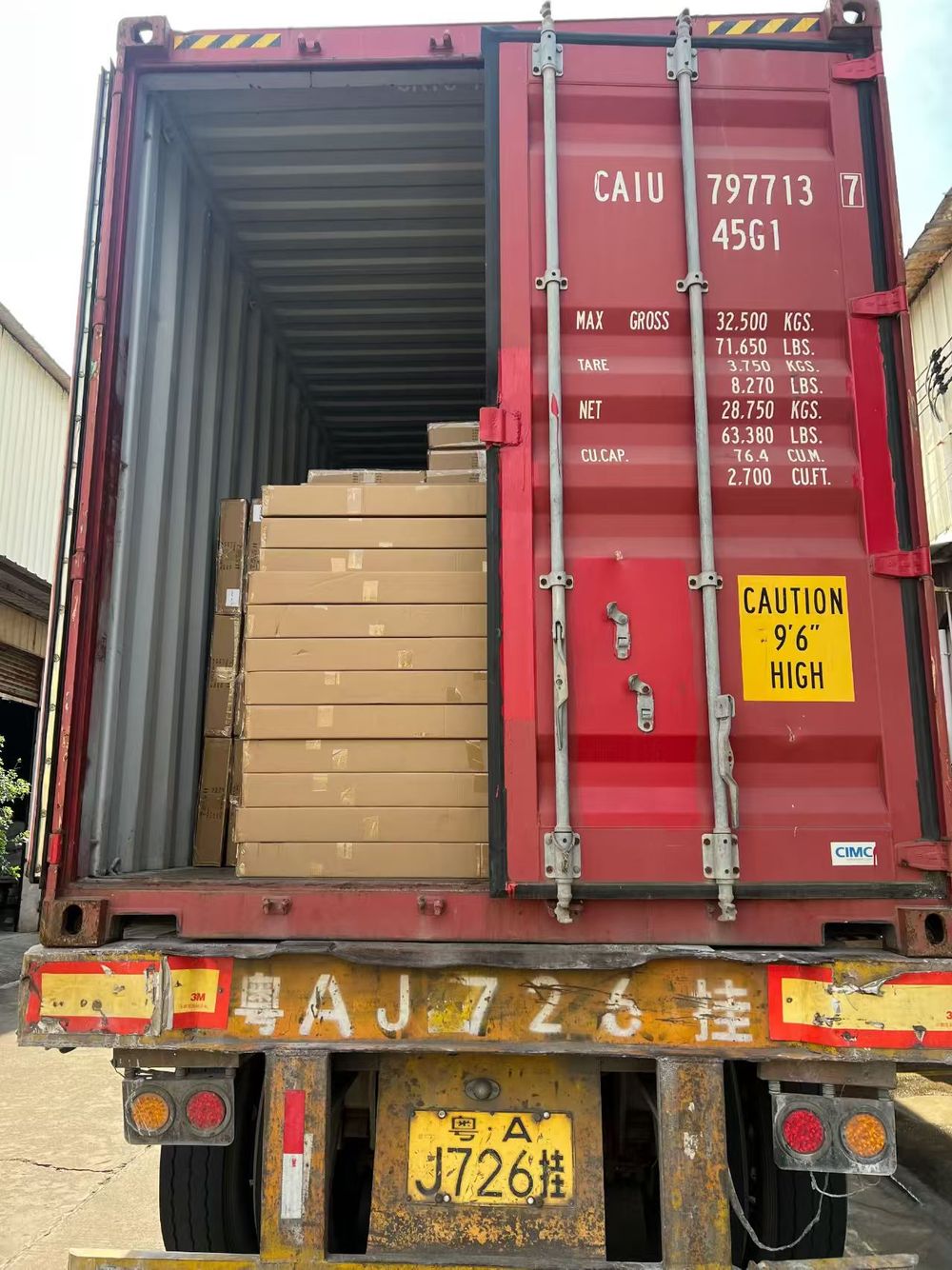
Most parts disputes are not disputes about quality. They are disputes about evidence. A carton arrives, someone signs for it, and three weeks later a mechanic finds that the seal kit is for the previous generation or that one fitting is missing. By then the delivery note is signed, the carton is gone, and the conversation becomes one party's word against the other's. Thirty minutes at receiving prevents almost all of it, and it costs nothing but discipline — the protocol below is the one Guangzhou Shenyue Machinery Technology Co., Ltd. recommends to every customer taking delivery.
Why the first ten minutes decide the outcome
Freight damage and short shipment are the carrier's liability only while the delivery note is unsigned or annotated. The moment someone signs clean, that liability moves to you. This is not a formality invented by suppliers — it is the reason a receiving check exists at all. Photograph the pallet or carton before it is opened, count the pieces against the packing list, and write any discrepancy on the note before signing. If the driver will not wait, sign as "unchecked" and photograph everything.
The protocol, in three stages
| Stage | What you check | What you photograph |
|---|---|---|
| 1. Before opening, 0 to 10 minutes | Carton and pallet count against the packing list; external damage; banding intact | The whole consignment, and any crushed corner or wet patch |
| 2. Identification, 10 to 25 minutes | Part number on the label, on the invoice and on the part itself — all three; supersession marks | Each label, and the number cast or stamped on the part |
| 3. Condition, 25 to 30 minutes | Rust on machined surfaces, seal bag integrity, port plugs, hose caps, bent fittings | Any defect close up, with the label visible in the same frame |
The identification check is the one people skip
Three numbers have to agree: the number on the carton label, the number on the invoice line, and the number on the part. When they do not, stop and photograph all three together. A supersession is the most common innocent explanation — Kobelco replaces a number and the new part carries both the old and the new marking — but a supersession should be printed on the label, not inferred by the person receiving. Our supersession and multi-marking guide shows what a legitimate multi-marked part looks like, and the genuine, OEM and aftermarket comparison explains why the same part number can legitimately arrive in three different conditions.
For hydraulic components, add one more check: confirm that the assembly number matches the nameplate on the unit, not just the carton. Travel motors, swing motors and pumps are heavy, and a carton can be right while the unit inside is a different revision.
What "condition" means for each part family
- Seals and gasket sets. Bag sealed, no creasing, no hardened or discoloured rubber. A seal that has sat in the sun is not the same seal.
- Hydraulic assemblies. Ports plugged, no oil weeping, shaft protected. A unit that arrived without port plugs has been breathing humid air.
- Machined parts. Light oil film is normal; orange rust on a bearing journal or a sealing face is not.
- Electrical parts. Connector pins straight, no corrosion in the plug body, part number legible on the housing.
- Hoses. Caps on both ends, no kink at the crimp, number still readable.
The claim window, and how to use it
Report a discrepancy as soon as it is found, with photographs and the invoice number, and do not fit the part first. The practical rule: inspect within the claim window stated on your quotation, report inside it, and keep the packaging until the case is closed. Our export packing notes explain why cartons are built the way they are, which helps when deciding whether damage happened in transit or before packing.
Storage after the check passes
A part that survived the journey can still be destroyed in the rack. Seals go in a dark drawer, not on a sunny shelf. Hydraulic assemblies stay plugged and upright. Hoses hang rather than coil tight. And every carton keeps its label facing out, because the next person looking for that number will not open twelve boxes to find it. The storage and shelf life guide covers the intervals.
If you need the numbers before the shipment arrives, the part number search shows what we hold for your model, and our inquiry desk will confirm a revision from a nameplate photograph. Machine identification details remain with Kobelco. Guangzhou Shenyue Machinery Technology Co., Ltd. is an independent supplier of Kobelco parts, not a Kobelco dealer, and states genuine, OEM or aftermarket condition on every line of every quotation.
Frequently Asked Questions
What should I check first when a Kobelco parts shipment arrives?
Count the cartons against the packing list and photograph the consignment before opening anything, while the delivery note is still unsigned. Freight liability moves to the receiver once a clean signature is given, so the first ten minutes are the only ones that count.
The part number on the label differs from my invoice — is it wrong?
Not necessarily. A supersession means Kobelco has replaced the old number, and the new part often carries both markings. Check that the label shows the supersession, photograph the label and the part together, and confirm with the supplier before fitting. Guangzhou Shenyue Machinery Technology Co., Ltd. states supersessions on the quotation where they are known.
How long do I have to report a shortage or damage?
Within the claim window stated on your quotation, and before the part is fitted. A part that has been installed is assessed as a warranty question rather than a shipping question, which is a slower process. Keep the packaging until the case is closed.
Do you photograph the parts before shipping?
Yes. We photograph the actual unit with its part number visible before packing, so both ends of the shipment can compare the same evidence. That practice exists because most disputes are about evidence rather than about quality.